
Handling the Toughest Driving Conditions
Simple steps to help deal with dicey roads.
Winter presents many challenges
for vehicle owners, not the least of which are lower temperatures, longer nights
and changeable road conditions. Added together, the months ahead are certain to
produce their share of frustrations.
Fortunately, there are some
preparatory steps drivers can take to better equip their vehicles - and
themselves.
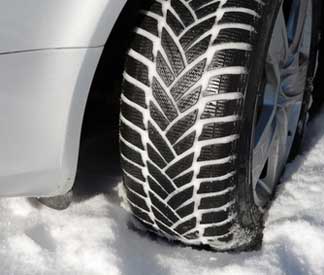
One of the most important and
most often overlooked aspects of vehicle preparation is the selection of the
proper tires. Many drivers are under the impression that all-season tires are
capable of handling both summer and winter driving while "snow" tires or winter
tires are reserved for those who reside in regions of the country where
accumulated white stuff is a daily fact of life. You may be surprised to learn
that all-season rubber isn't formulated to handle low temperatures in the same
way that winter rubber is. Once the mercury starts to drop, all-season tires
begin to stiffen up and lose the grip that is so critical to maintaining
stability while driving. In fact, below 45 degrees Fahrenheit, vehicles equipped
with all-season tires take an average of 30 percent more distance to come to a
complete stop than those sporting winter tires. At temperatures below the
freezing point, this number is magnified significantly, even in the complete
absence of snow. If you live in an area where temperatures routinely drop below
this level, you should seriously consider investing in a set of winter
tires.
 There are a few other safety considerations that
can make a difference in your winter bliss behind the wheel. Most of the fluids
in your vehicle, like gasoline, oil and those found in the transmission will be
content to operate in colder temperatures. Fluids that contain water, however,
should be checked in order to make sure they can withstand a serious chill. The
windshield washer reservoir should be filled with a fluid that is advertised as
containing enough alcohol to avoid turning into a solid overnight - an easy
enough change to make. Radiator fluid is a little more complicated, as it
requires a test to ensure that it is still capable of protecting your engine
without freezing at low temperatures. Your dealer's service department is well
equipped to ensure all your vehicle's fluids are winter-ready.
After the hazards presented by
the freezing cold, corrosion is often the next most-cited concern by drivers
worried about how their vehicles will react to all of the moisture and the road
treatments meant to deal with slippery travel. Road salt itself is not such a
bad thing for a vehicle's steel panels, floors and frame, but when combined with
moisture, it can really do a number on a car or truck's structural integrity. A
good strategy for combating the corrosive effects of road salt is to blast it
off your car's exterior and undercarriage periodically at a carwash, either a
touchless unit or a "wash it yourself" installation that uses high pressure
hoses. If you have a heated garage with good drainage, then you can even do this
at home.
For areas where road salt is used
as liberally as possible, you may want to consider a form of undercoating to act
as a barrier between the chemical and your car or truck's steel. There are many
different types of undercoating out there. Make sure to do your research before
choosing a particular type of undercoating - some are so thick that over time,
they can trap moisture and salt between the coating and the floor and actually
increase corrosion. Sometimes even a light spraying of oil on the underside of
exposed panels can form enough of a moisture barrier to keep your car
safe.
There is no doubt that winter is the roughest season of all when it comes to car care and driver sanity, but with a little preparation, you can sleep better at night knowing that you've done your best to protect your vehicle from the worst winter has to offer.
Categories:
News